
The Great Canadian Fence Debate
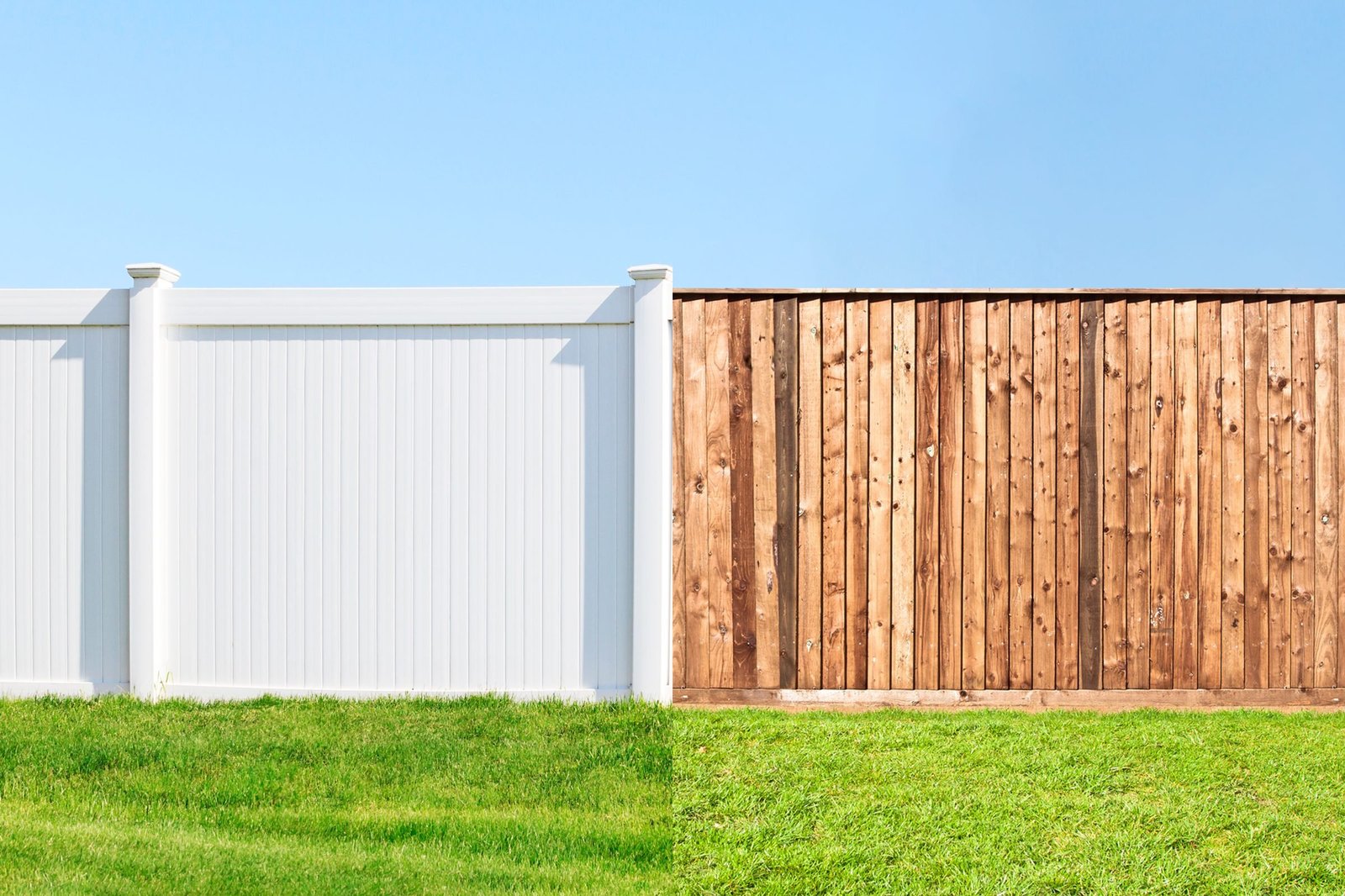
Choosing the right fence for your Canadian home is about more than just marking boundaries—it’s about weathering harsh winters, enhancing curb appeal, and investing in lasting value. When it comes to materials, the debate often boils down to two popular options: wood vs PVC fencing in Canada. Each comes with its own set of benefits and challenges. But which one truly stands out for the average Canadian homeowner?
Overview of Wood Fencing
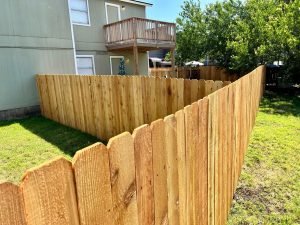
Wood fencing is classic, timeless, and widely available across Canada. Common types include cedar, spruce, and pressure-treated pine. It’s known for its rustic charm and ability to blend with natural surroundings.
Benefits of Wood Fencing:
- Natural and biodegradable
- Customizable in height and style
- Can be painted or stained in any color
However, wood fencing requires regular upkeep, and over time, exposure to Canadian weather can lead to rot, warping, or splinters.
Overview of PVC Fencing
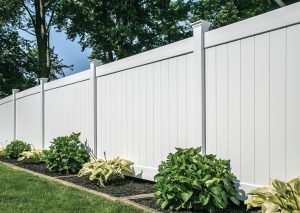
PVC (polyvinyl chloride) fencing is a modern alternative, quickly gaining popularity in residential neighborhoods across Canada. It’s a synthetic material designed to mimic wood while offering superior durability and minimal upkeep.
Why Canadians Are Choosing PVC:
- No painting or staining required
- Won’t rot, split, or warp
- Often comes with long-term warranties
PVC fencing is available in a wide range of colors and finishes, including wood-grain textures, making it both functional and stylish.
Durability in Canadian Climate
Canada’s climate is one of extremes—icy winters, wet springs, and humid summers. PVC fencing outperforms wood in handling moisture, snow, and freeze-thaw cycles. While treated wood can last several years, it’s more vulnerable to moisture-related issues.
| Material | Moisture Resistance | Cold Weather Performance |
| Wood | Moderate (needs sealing) | Can warp or crack |
| PVC | Excellent | Flexible, crack-resistant |
Maintenance Requirements
Wood fencing requires seasonal maintenance, including staining or painting, and checking for rot or insect damage. PVC is virtually maintenance-free—just rinse with water occasionally.
| Task | Wood | PVC |
| Painting/Staining | Required every 2–3 years | Never required |
| Rot/Insect Treatment | May be needed | Not needed |
| Cleaning | Regular with soap/water | Minimal |
Cost Comparison: Upfront vs Long-Term
While wood fencing has a lower initial cost, its maintenance and shorter lifespan increase long-term expenses. PVC may cost more upfront but proves economical over time.
| Cost Category | Wood | PVC |
| Initial Installation | Lower | Higher |
| Maintenance | High (ongoing) | Low (occasional) |
| Lifespan | 10–15 years | 20–30 years |
Style and Aesthetic Flexibility
Wood offers a warm, traditional look and can be tailored to almost any design. PVC, meanwhile, offers uniform panels, clean lines, and modern finishes—plus it mimics wood if desired.
Environmental Impact
Wood is renewable and biodegradable, but often treated with chemicals. PVC is synthetic but recyclable. Both have pros and cons depending on your environmental values.
Safety and Family-Friendliness
PVC fencing has no sharp edges or splinters, making it ideal for households with kids or pets. Wood, while sturdy, may splinter over time.
Resale and Property Value Impact
A high-quality fence adds curb appeal. In urban and suburban areas across Canada, both wood and PVC fencing can boost resale value. However, low-maintenance PVC may appeal more to modern buyers.
Privacy and Noise Control
Both fencing types can be built as privacy panels. PVC provides slightly better sound insulation due to its solid, uniform surface.
Installation Process and Time
Wood fencing may require more tools and time to install due to custom measurements. PVC systems are modular and often quicker to install.
Longevity and Warranty
PVC fences typically come with 20–30 year warranties. Wood rarely offers long-term guarantees unless it’s premium cedar or redwood.
Local Regulations and Bylaws in Canada
Check your local municipality for fence height limits and permitted materials. Both wood and PVC are commonly accepted in most Canadian cities.
Testimonials and Real Canadian Case Studies
Toronto Homeowner (Wood Fence):
“We love the natural look, but after 6 years, it’s showing signs of wear. Regular staining is a must.”
Vancouver Homeowner (PVC Fence):
“Installed 5 years ago and still looks brand new—rain or shine.”
Calgary Resident (Switched to PVC):
“No more dealing with warped boards after winter. Best decision ever.”
FAQs: Choosing Between Wood and PVC
Q1: Which lasts longer—Wood vs PVC Fencing in Canada?
A: PVC generally lasts 20–30 years, whereas wood may last 10–15 years with proper care.
Q2: Is PVC fencing more expensive than wood?
A: Yes, initially. But long-term savings from reduced maintenance often make up the difference.
Q3: Can I install PVC fencing myself?
A: Yes, many homeowners find PVC systems easier to install due to their modular design.
Q4: Which is more eco-friendly?
A: Wood is biodegradable, but PVC is recyclable. It depends on your priorities.
Q5: Does PVC fence color fade over time?
A: Modern PVC fences are UV-resistant and retain their color for many years.
Q6: Are both fencing types accepted across Canada?
A: Yes, both are widely used and approved in most Canadian residential areas.
Conclusion: Making the Right Choice for Your Needs
In the battle of wood vs PVC fencing in Canada, the right choice depends on your priorities. If you value natural aesthetics and hands-on care, wood may suit your style. But if you want a low-maintenance, long-lasting, and weather-resistant solution, PVC is likely your best bet.
Before deciding, consider your local climate, budget, and how much time you’re willing to invest in upkeep. And don’t hesitate to consult with a trusted local fencing contractor who understands your area’s specific needs.